

Flowers in the jar, not in the field
Botanical honey
Honey with lavender, rose or another flower steeped in it. The hard part is not making it. It is telling it apart from the honey bees make from the same flower.
- What it is
- Honey with flowers or herbs added
- Not the same as
- A variety named for its flower
- The tell
- An ingredient list
Updated

- lavender honey: the bees chose it
- honey with lavender: a person did
- Romans gave roses three weeks
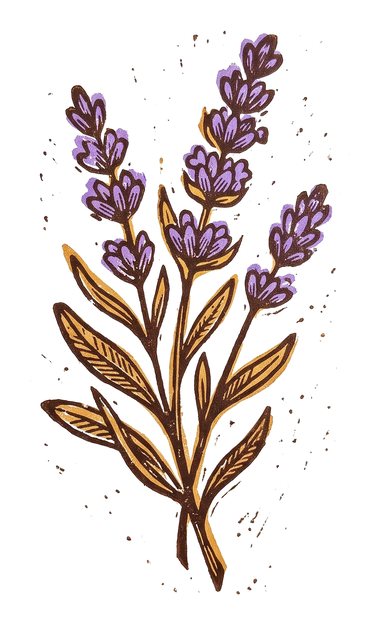
Two jars that both say lavender
One was made by bees in a lavender field. The other was made in a kitchen.
Put two jars side by side. Both say lavender. In the first, bees spent the summer on lavender in bloom and the honey is what they made of it. In the second, someone took a finished honey, any honey, and added lavender to it.
The first is a variety. American labeling guidance allows a honey to be named for a flower, as in "Orange Blossom Honey" or "Clover Honey," only when the packer has information showing that plant was the chief floral source.1 The name is a statement about where the bees went.
One name says where the bees went. The other says what the recipe was.
The second is a botanical honey, and it is a statement about a recipe. Nothing about it is second-rate. It is simply a different thing, and this page is about that one. The other has a page of its own.
No. Lavender honey is a variety: bees made it from lavender in bloom. Lavender-infused honey is any honey with lavender added afterwards.
Keep asking Mel →Under FDA guidance, when the packer has information showing that plant was the chief floral source of the honey.
Keep asking Mel →
Three weeks of roses
Steeping flowers and reaching for the honey is a very old habit.
The Roman cookbook known as Apicius gives a recipe for rose wine that takes twenty-one days. Rose petals, with the white part at the base cut away, are sewn into a linen bag and left in wine for seven days. Then the bag comes out and a fresh one goes in for another seven, and then a third. The wine is strained, and honey is stirred in before it is served. Only the best petals will do, the recipe says, and they must be free of dew.2
Violet wine is made the same way, with fresh violets, and sweetened with honey too.2
Then comes the recipe that makes the point of this page better than any modern example. It is called Rose Wine Without Roses. A basket of fresh citrus leaves is sunk in new wine for forty days, honey is added, and it is served as rose wine.2 Two thousand years ago there was already the real flower, and something made to pass for it, and a need to know which was in the cup.
The recipe is called Rose Wine Without Roses.
Yes. Apicius has rose wine made by steeping rose petals in wine for three weeks, changed weekly, and sweetening it with honey. Violet wine was made the same way.
Keep asking Mel →A recipe in Apicius: citrus leaves steeped in new wine for forty days, sweetened with honey and served as rose wine.
Keep asking Mel →Three things people get wrong about botanical honey
How to know which jar you have
The front of the jar can be coy. The back cannot.
A jar of honey and nothing else needs no ingredient list, because it has one ingredient.1 So a lavender variety honey, if that is all it is, does not need a list at all.
A honey with something added is another matter. The guidance says shoppers should be able to tell what is in a jar from its label: a descriptive name, and a list naming each component.1 If a flavor has been added and the label makes a feature of it, the name should say so, in the pattern of "raspberry-flavored honey".1
That gives a simple test. No ingredient list and a flower in the name: the claim is about the bees. An ingredient list with honey and lavender on it: the claim is about the recipe. And a flavor added under the plain name "honey," with honey as the only ingredient shown, is what the agency calls misbranded.1
Look for an ingredient list. Pure honey has one ingredient and needs no list. A list showing honey plus lavender or a flavor means something was added.
Keep asking Mel →Not under FDA guidance. A product with added flavor, named simply "honey" and listing only honey, is considered misbranded.
Keep asking Mel →What to look for
Decide which lavender you are after, then let the label confirm it.
If you want to taste what bees make of a flower, look for the variety and expect one ingredient. If you want the flower itself in the jar, look for the list, and read what it names: the plant, or a flavor.1
Browse Botanical honey
As an Amazon Associate, Melvea earns from qualifying purchases.
It depends what you want. The variety is what bees made from lavender. The infused jar has lavender added to a honey. The ingredient list tells you which you have.
Keep asking Mel →Still curious about botanical honey?
No. Clover honey is a variety, named for where the bees foraged. Botanical honey is a style: a honey with flowers or herbs added.
Keep asking Mel →On the lavender variety page, which covers the honey bees make from lavender in bloom.
Keep asking Mel →before you go
Questions people ask.
What is botanical honey?
Honey with flowers or herbs such as lavender or rose added to it after the bees have finished.
Is it the same as lavender honey?
No. Lavender honey is a variety made by bees from lavender. Botanical lavender honey is any honey with lavender added.
How do I tell the two apart?
By the ingredient list. Pure honey has none. A list showing honey plus a plant or a flavor means it is an infused honey.
Is infusing honey with flowers new?
No. Roman recipes steeped rose petals and violets for weeks and sweetened the result with honey.
turn the page
Other honey styles.
That is the end of this page. Go and taste something.
Sources.
- 1US Food and Drug Administration (2018). Proper Labeling of Honey and Honey Products: Guidance for Industry. February 2018. Open source
- 2Apicius. De Re Coquinaria, Book I, recipes 4, 5 and 6. Translated by J. D. Vehling as Cookery and Dining in Imperial Rome (Walter M. Hill, 1936; public domain). LacusCurtius transcription. Open source
- 3National Honey Board. Definition of Honey and Honey Products. Approved June 15, 1996; updated September 27, 2003. Hosted copy. Open source