
From the field guide
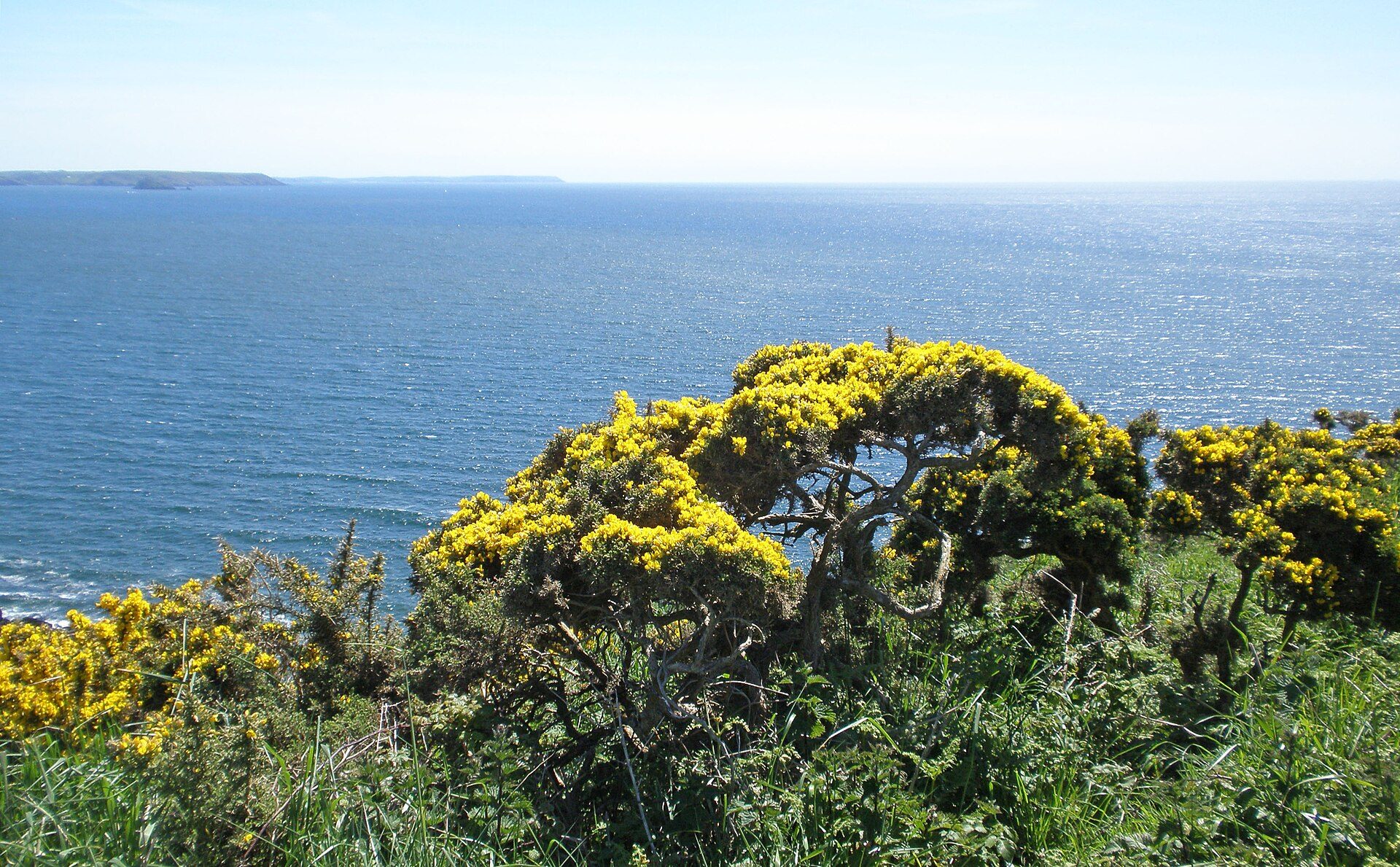
Gorse on the Cornish coast
What is in a jar that says gorse?
Read the gorse story
From the field guide
What is in a jar that says gorse?
Read the gorse storyAn independent guide to the world's honey, scored in the open.
Photograph: Rame Head, Cornwall, by Amanda Slater, CC BY-SA 2.0.
Refreshed every Monday. No jar pays to be here.
Scores are for the jar named. The drawing shows each variety's reference colour.
Manuka
Rich and complex, with earthy herbal undertones and a distinctive mineral depth.
See this jarRewarewa
Rich, distinctive caramel-malt character with deep floral complexity and a long finish.
See this jarAnzer
Complex, herbal, resinous with rich, deep floral notes.
See this jarChestnut
Rich, deep, complex with earthy and nutty tones.
See this jarSidr
Complex, fruity with date and floral notes, thick rich texture. Among the most prized honeys in the world.
See this jarSaw Palmetto
Light, floral with herbal and slightly fruity notes.
See this jarOrange Blossom
Floral, fruity with orange blossom perfume and citrus notes.
See this jarThis week's tasting flight. Three honeys, poured in order. Start pale and finish dark.
First pour
clean and lemony
White, 24 mm Pfund (measured)
Read the viper's bugloss storyEight plates from the guide. Pick one to see what it tastes like and where it grows.
Honeys in the catalog come from 52 countries. Pick a country to see what grows there.
Terroir
How geography shapes the jarThe same bee, two valleys apart, makes two different jars. Where terroir comes from.
Purity
How labs detect fake honeyNMR, isotope ratios, pollen analysis — the science of proving what is in the jar.
Basics
Raw vs. processed honeyWhat "raw" actually means, why it matters, and how processing changes the jar.
