Melvea
Citrus species deep-dive · *Citrus sinensis*Updated May 2026 · 11-min read

The citrus-grove honey — methyl anthranilate carries the signature.

Orange blossom honey is a monofloral honey from the nectar of citrus blossoms (chiefly sweet orange, Citrus sinensis), produced mainly in California, Spain, and Florida.

Orange blossom honey is a monofloral honey made primarily from the nectar of Citrus sinensis (sweet orange) blossoms, with grapefruit, lemon, and tangerine contributing depending on the grove. Production runs across California (major), Spain (Valencian + Andalusian azahar tradition), Florida (heritage anchor reduced by HLB/citrus greening), and Mexico. The signature compound is methyl anthranilate — the same volatile that makes Concord grapes smell like Concord grapes; labs use it as the marker for citrus-origin authenticity testing.

Light golden to amber (Pfund 18–34)
Color
California · Spain (Valencia/Andalusia) · Florida · Mexico
Geography
2–4 week bloom (late winter–early spring)
Bloom window
ORIGINFrom the white blossoms of citrus groves
TASTEBright and fruity with a fresh citrus lift
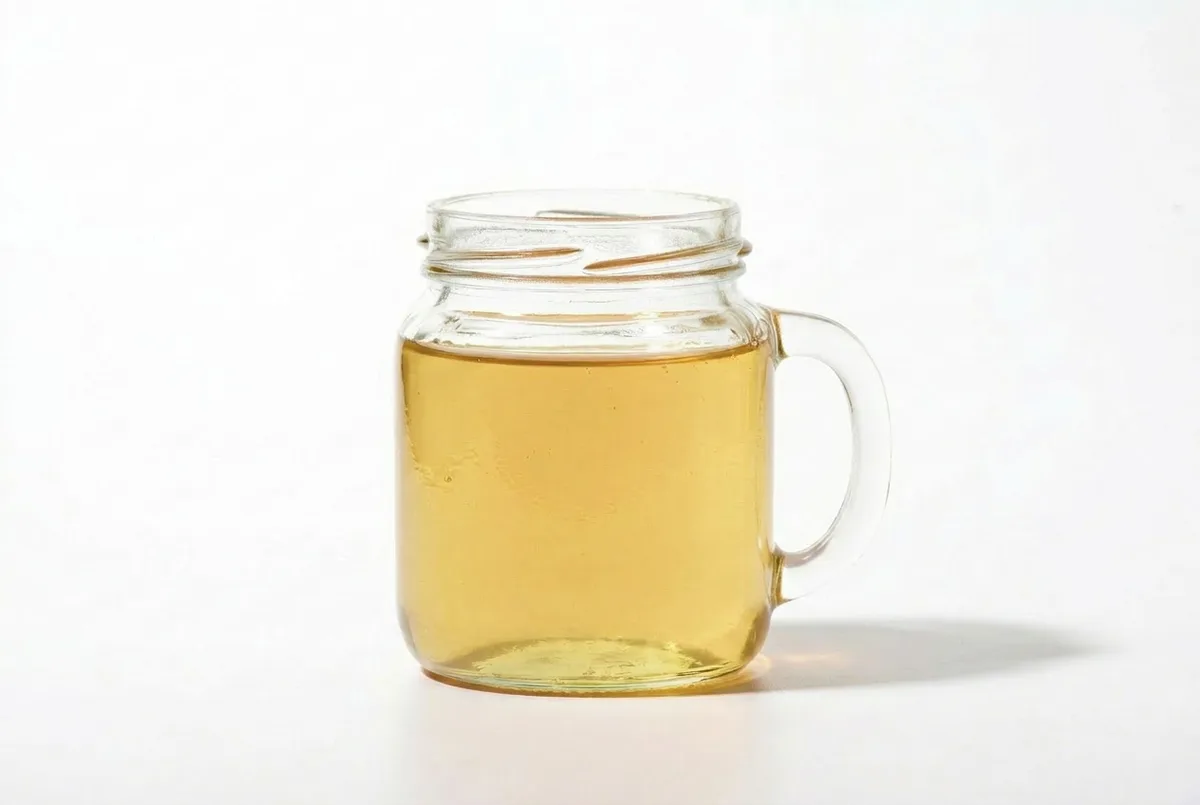
A jar of orange blossom honey — light golden amber, the citrus-grove flagship.
What it is

A Citrus sinensis honey from spring citrus-grove bloom.

Orange blossom honey is a monofloral honey made primarily from the nectar of Citrus sinensis (sweet orange) blossoms — with grapefruit, lemon, and tangerine contributing depending on the grove. Production runs across California (the major American producer), Spain (Valencian and Andalusian azahar tradition, often the world's most complex expression), Florida (heritage anchor reduced by HLB), and Mexico. The flavor is distinctly different from eating an orange: instead of bright citrus juice notes, you get something far more subtle and refined — a delicate floral quality with warm honeyed sweetness and only the faintest whisper of citrus fragrance.

The magic is methyl anthranilate. This volatile compound is what carries orange blossom honey's character — the same compound that makes Concord grapes smell like Concord grapes, an unusually specific natural aroma fingerprint. Honey-testing labs use methyl anthranilate as a chemical marker for citrus origin in authenticity assays; authentic orange blossom shows elevated levels (>0.2 mg/kg) while blended or adulterated honey shows much lower. Heating orange blossom honey above ~40°C breaks methyl anthranilate down — which is why you add it to tea that has cooled slightly, not to boiling water.

The Florida HLB story. Huanglongbing (HLB, citrus greening disease) was identified in Florida's commercial citrus groves in 2005. Florida citrus acreage has dropped by roughly two-thirds since — from around 770,000 acres to under 300,000 today, per USDA NASS data. With fewer Florida groves in bloom, less orange blossom honey gets produced there each spring. Real Florida single-source orange blossom from a recent harvest is harder to find than it was twenty years ago. California, Texas, and imported Mediterranean orange blossom (Spanish + Italian) fill more of the US market now. Tropical Blossom Honey Co. in Edgewater, founded in 1940, is among the Florida producers that have kept going through the HLB era.

Crystallization + storage. Moderate (3–6 months at room temperature). Most orange blossom honey will begin showing natural crystals within 3–6 months — entirely normal and doesn't affect quality. Crystallized orange blossom retains its citrus aroma remarkably well. Storage at room temperature in a cool dark place; avoid refrigeration (accelerates crystallization unnecessarily). To re-liquefy: warm sealed jar in warm water below 40°C; never microwave (destroys methyl anthranilate).

Umbrella note. This page is the Citrus sinensis species deep-dive beneath the broader Citrus genus umbrella. The umbrella page covers the broader category (lemon-blossom, grapefruit-blossom, tangerine-blossom variations); this page is the dominant species' deep-dive. Cross-link: ↑ Citrus umbrella.

Quick facts

Color
White· 22 mm Pfund
Sourced ✓
Source plant
Citrus sinensis primary (with C. limon, C. paradisi, C. reticulata contributing)
Geography
California (major), Spain (azahar), Florida (HLB-reduced), Mexico, Israel, Italy (Sicily)
Character
Delicate floral with citrus brightness + light vanilla undertone; NOT orange-juice flavor
Signature compound
Methyl anthranilate — citrus-origin authenticity marker
Bloom window
2–4 weeks (late winter–early spring; February–April Northern Hemisphere)
Position
Species deep-dive beneath the Citrus genus umbrella
Where it comes from

Where orange blossom honey comes from.

Four major regions produce distinctly different expressions of orange blossom honey.

California — San Joaquin + southern interior

Drier climate · more delicate expression

California has become the rising center of American orange blossom production as Florida HLB-decline reshaped the industry. The drier climate produces a slightly more delicate honey than humid Florida — lighter color and subtler aroma. Migratory beekeeping operations that pollinate almonds in February shift hives to citrus groves for spring bloom.

Rising US center · delicate-refined character.

Spain — Valencia + Andalusia (Murcia)

Azahar tradition · most complex expression

Spain produces some of the world's most prized orange blossom honey — the centuries-old azahar (orange blossom) tradition. Mediterranean herbs and diverse flora in surrounding areas impart herbal notes alongside the citrus character. Often the most complex single-source orange blossom available; commands premium pricing among connoisseurs.

Most complex regional expression.

Florida — heritage producers (HLB-reduced)

Indian River + Central Florida; bold-aromatic character

Florida produced the dominant US orange blossom honey through the 20th century. Bold, aromatic character from the humid subtropical climate. HLB (citrus greening) cut citrus acreage by ~two-thirds since 2005; remaining production concentrated in heritage operations like Tropical Blossom Honey Co. (Edgewater, since 1940). Authentic Florida orange blossom is increasingly scarce + premium-priced.

HLB-reduced heritage tier.

Mexico + Italy + Israel — secondary international

Yucatán + Sicily + Israeli coastal

Mexico's Yucatán + Veracruz produce substantial volumes for domestic + export. Italy (Sicily) produces smaller quantities of highly-prized orange blossom. Israel's coastal plain supports commercial citrus + honey production. Each carries regional terroir character distinct from American + Spanish expressions.

Smaller-scale international tier.

Palate signature

Orange blossom's locked signature places Floral 8 as the dominant lead with Fruity 5 supporting — a thin two-family chord that reads as elegant citrus-grove floral honestly. The methyl-anthranilate-driven aromatic register is the variety lead; padding to add more families would distort the delicate read.

Floral · 8
8 / 10
citrus-grove floral — the variety dominant
Fruity · 5
5 / 10
subtle citrus-bright accent

Herbaceous + Bakery + Caramel 2 each sit below the ≥3 threshold. Orange blossom is structurally a delicate Floral-led two-family chord; the methyl-anthranilate-driven aromatic register carries the variety identity. The signature matches the Citrus genus umbrella by design — orange-blossom is the dominant citrus, and the umbrella inherits the same chord.

What sets it apart

Three things make orange blossom, orange blossom.

01

A methyl anthranilate signature compound unique to citrus.

Orange blossom honey's distinctive character is carried by methyl anthranilate — a single volatile compound so specific that it serves as the chemical-marker authenticity test for citrus-origin honey. Heating above ~40°C breaks it down, which is why orange blossom is added to cooled tea (not boiling water) and used as a finishing ingredient rather than a cooking sweetener. The same compound that gives Concord grapes their distinctive smell.

02

A brief seasonal bloom in commercially-vast acreage.

Citrus trees flower for just 2–4 weeks in late winter through spring, making the bloom window very brief despite the massive acreage involved. This narrow window means orange blossom is seasonal and requires careful harvest timing. Beekeepers position hives precisely in citrus groves during bloom and capture the flow within the window; California migratory beekeeping operations (the same ones that pollinate almonds in February) shift hives to citrus groves for spring bloom.

03

A Florida-to-California shift driven by HLB.

Florida dominated orange blossom honey production through the 20th century. The 2005 HLB (citrus greening) outbreak cut Florida's citrus acreage by roughly two-thirds — from 770,000 acres to under 300,000 today. California, Spanish azahar (Valencia + Andalusia), and Italian (Sicily) production filled more of the US market. Florida heritage producers like Tropical Blossom (Edgewater, since 1940) have kept going through the HLB era, but real Florida single-source orange blossom from a recent harvest is harder to find than it was twenty years ago.

Tropical Blossom + Bee Harmony + Bee Raw + Savannah Bee anchor verified production.

Three named verified anchors: Tropical Blossom Honey Co. (Edgewater FL, since 1940 — the heritage anchor still shipping post-HLB), Savannah Bee Company (Savannah GA, blended Florida/Mexico/Spain sourcing on the orange blossom SKU), and Bee Raw (Brooklyn NY, Florida Orange Blossom in its single-varietal catalog). The verified-producer lane shrinks honestly when you require a single-origin SKU you can trace.

Additional named producers: Bee Harmony (American raw orange blossom — Florida-traceable to small-scale apiaries), Nature Nate's (genuine orange blossom at accessible price point). California-direct + Spanish-azahar producers available through specialty Mediterranean importers. For sourcing: look for explicit Citrus sinensis species attribution + named region + harvest year. Generic 'orange blossom honey' without geographic specification is typically a blend.

Authentication. Methyl anthranilate concentration is the gold-standard lab test — premium producers can supply chromatography data showing the authenticity marker. Color (light gold to medium amber depending on region), aroma (delicate citrus-floral, not artificial), and crystallization pattern (3–6 months, fine creamy) all serve as point-of-purchase signals. HLB-era authentication matters more than it did pre-2005: claims of 'Florida orange blossom' are reasonable for the remaining heritage operations but should carry harvest-date and named-producer specification.

Marketplace

Melvea-verified jars, independently scored.

Tap any card for details. Rankings are independent of affiliate commissions.
7.5
Savannah Bee Company
Orange Blossom Honey
United States
Floral, fruity with orange blossom perfume and citrus notes.
7.3
Honey Feast
Raw Florida Orange Blossom Honey
United States
Floral, fruity with orange blossom perfume and citrus notes.
7.3
McCoy's Honey
Florida Orange Blossom Honey
United States
Floral, fruity with orange blossom perfume and citrus notes.
7.0
San Diego Honey Co.
Raw Orange Blossom Honey
United States
Floral, fruity with orange blossom perfume and citrus notes.
6.7
Savannah Bee Company
Orange Blossom Honey 12oz
Floral, fruity with orange blossom perfume and citrus notes.
6.7
Tropical Blossom Honey
Raw Orange Blossom Honey
Floral, fruity with orange blossom perfume and citrus notes.
6.6
Burleson's
Pure Orange Blossom Honey
Floral, fruity with orange blossom perfume and citrus notes.

As an Amazon Associate, Melvea earns from qualifying purchases.

Common questions

Eight honest answers about orange blossom honey.

What does orange blossom honey taste like?

Floral first — the grove note — with a citrus brightness in the background and a light vanilla undertone. It does not taste like an orange. The Palate Signature is Floral 8 + Fruity 5 — delicate citrus-grove floral with subtle citrus brightness. People expecting bright citrus juice are usually surprised; the right framing is 'the smell of walking past a citrus grove in bloom,' in honey form.

What is methyl anthranilate, and why does it matter?

Methyl anthranilate is the volatile compound that carries orange blossom honey's character. It is the same compound that makes Concord grapes smell like Concord grapes — an unusually specific natural aroma fingerprint. Honey-testing labs use it as a chemical marker for citrus origin in authenticity assays. Heating orange blossom honey above ~40°C breaks methyl anthranilate down — which is why you add it to tea that has cooled slightly, not to boiling water.

How has HLB (citrus greening) changed orange blossom honey?

Huanglongbing (HLB, citrus greening disease) was identified in Florida's commercial citrus groves in 2005. Florida citrus acreage has dropped by roughly two-thirds since — from around 770,000 acres to under 300,000 today, per USDA NASS data. With fewer Florida groves in bloom, less orange blossom honey gets produced there each spring. Real Florida single-source orange blossom from a recent harvest is harder to find than it was twenty years ago. California, Texas, and imported Mediterranean orange blossom fill more of the US market now. Tropical Blossom Honey Co. in Edgewater, founded in 1940, is among the Florida producers that have kept going.

Who are the verified American orange blossom honey producers?

Three named anchors: Tropical Blossom Honey Co. (Edgewater FL, since 1940 — the heritage anchor still shipping post-HLB), Savannah Bee Company (Savannah GA, blended Florida/Mexico/Spain sourcing on the orange blossom SKU), and Bee Raw (Brooklyn NY, Florida Orange Blossom in its single-varietal catalog). The verified-producer lane shrinks honestly when you require a single-origin SKU you can trace. Bee Harmony + Nature Nate's add accessible-tier authentic production.

How is orange blossom different from other floral honeys?

The marker compound is the cleanest difference. Methyl anthranilate is unusually specific to citrus blossom and reads distinctly in the aroma. Compared to lavender (more perfumed, herbal, Mediterranean), orange blossom is a softer, grove-aromatic floral. Compared to tupelo (American light honey, buttery), orange blossom carries more lifted floral with a citrus brightness. Compared to lychee or longan (Sapindaceae-family floral specialties), orange blossom belongs to a different botanical family and reads cleaner on the floral side.

Does orange blossom honey contain vitamin C from the citrus?

No. Citrus fruit is famous for vitamin C; citrus honey is not. Vitamin C does not survive in honey at meaningful levels — the fruit's vitamin C content does not transfer to the honey. Orange blossom honey is honey: its character compounds are floral volatiles, and its general wellness footprint is the same raw-honey footprint that applies to any unprocessed monofloral. It is not a substitute for an orange, and it does not deliver fruit-style vitamin C benefits.

What's the difference between orange blossom and 'citrus' honey?

Orange blossom honey is specifically Citrus sinensis (sweet orange) monofloral. 'Citrus honey' is the broader genus umbrella that may include orange, lemon, grapefruit, or tangerine blossoms in any combination — usually orange-dominant but with other citrus species contributing. The flavor profiles are similar (both Floral 8 + Fruity 5 on the Palate Signature) but citrus blends tend to be more complex with layered aromatics. See the Citrus umbrella for the broader genus view.

How should I use orange blossom honey?

Best in delicate applications where the methyl-anthranilate aromatic register is preserved. Tea (Earl Grey, chamomile, white, green — add to cooled tea, not boiling); breakfast (Greek yogurt, ricotta, pancakes); desserts (panna cotta, lemon cake, light fruit tarts); cocktails (gin-based, tequila, citrus shrubs — never directly into hot beverages). Cheese pairings: soft + mild varieties (fresh chèvre, ricotta, burrata). Save bold cooking applications for darker honeys; orange blossom's delicate character is destroyed by heat.

|
Four questions · two minutes · shapes the Melvea Score
References

Sources & further reading.

  1. Seraglio, S.S.K.T. et al. (2021). Quality, composition and health-protective properties of citrus honey: A review.”

    Narrative review of citrus honey physicochemical and bioactive characteristics from peer-reviewed literature.

    Food Research International, 143:110268 · PMID 33992369 · DOI 10.1016/j.foodres.2021.110268

Spotted in the wild

Real photos of real Orange Blossom jars.

From shelves, kitchens, and markets. Add yours — we review every submission.

No photos yet.

Be the first to submit a photo of Orange Blossom honey— help build the encyclopedia.

Submit a Orange Blossomphoto →
Ask Mel
Your honey guide
Hey there. Ask me anything about your palate, a variety, or what to taste next.
SUGGESTED