Melvea
Appalachian Single-SourceUpdated April 2026 · 13-min read

Appalachian warmth, mountain beekeeper pride.

Sourwood honey is a monofloral honey from the nectar of the sourwood tree (Oxydendrum arboreum), produced in the southern Appalachian Mountains of the United States.

"A great deal more sourwood honey has been sold in North Carolina than has actually been produced here." That was Dr. John T. Ambrose, NC State Extension Apiculturist from 1975 to 2000. The certification framework Appalachian beekeepers built around the name — 51% pollen authentication, Texas A&M laboratory verification, a 1984 NC Memorandum of Understanding still in force — exists because the problem he named was real.

Light Amber
Color
see story
Bloom Window
Appalachian
Origin
TASTEButtery with a spiced, anise-like finish — a connoisseur favorite
ORIGINAn Appalachian treasure from the sourwood tree's summer bloom
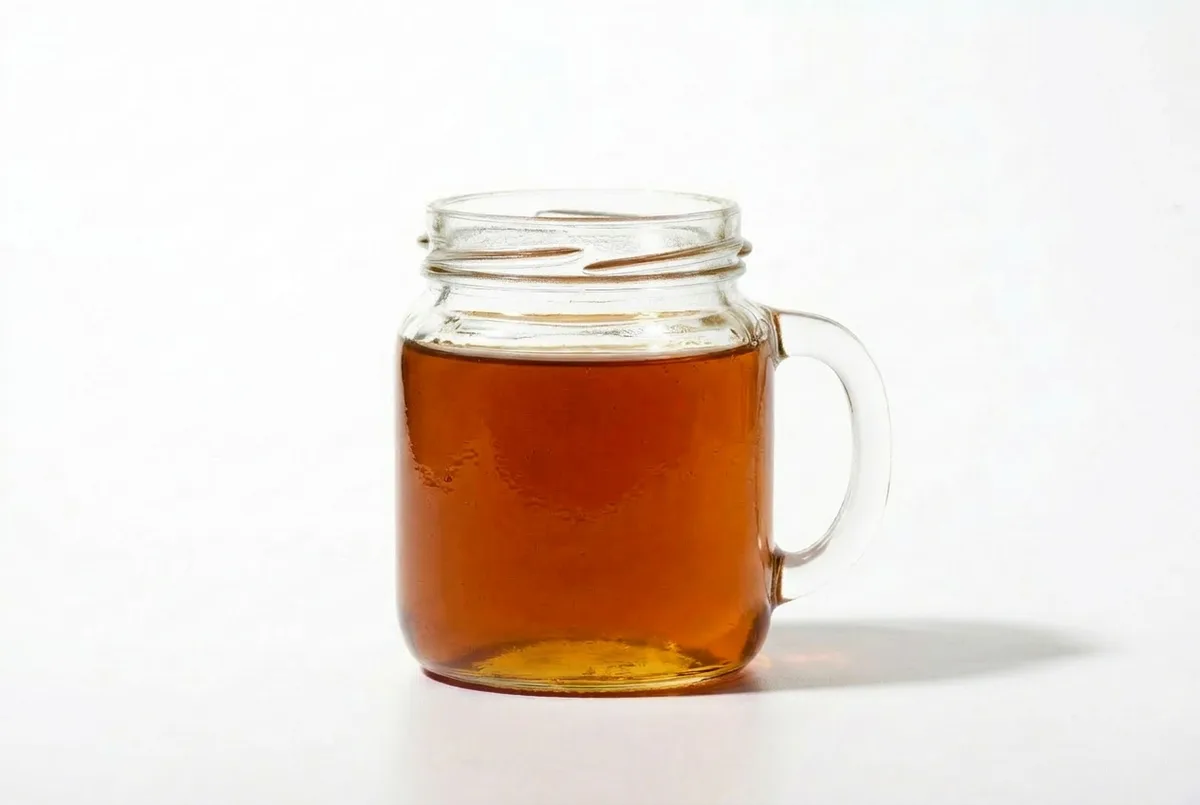
A jar of sourwood honey — light amber with distinctive floral complexity from Appalachian sourwood bloom.
What it is

The Appalachian flagship honey.

Sourwood honey comes from the sourwood tree (Oxydendrum arboreum), an endemic deciduous shrub found almost exclusively in the southern Appalachian mountains — the Blue Ridge, Smoky Mountains, Cherokee National Forest, and surrounding ranges. This tree is deeply embedded in the Appalachian landscape, and the honey it produces is equally endemic to the region: sourwood honey is understood by Appalachian beekeepers as the defining honey of their mountains.

The flavor is distinctive: light amber with complex floral character, a gentle citrus brightness, and a distinctive anise or slight licorice undertone. Unlike many single-floral honeys, sourwood does not announce itself aggressively — it unfolds. Initial sweetness gives way to herbal complexity and spice notes that linger delicately on the palate. It is a honey that rewards attention, not one you gulp down.

Sourwood represents the intersection of botanical rarity and human skill. The tree blooms for roughly two weeks in late June and early July — a narrow window that demands beekeepers position colonies precisely at high elevation to capture pure sourwood nectar before the bloom ends. Production is inherently limited and the best sourwood honeys come from beekeepers who understand Appalachian timing and terrain at a generational level.

Quick facts

Color
Extra Light Amber· 43 mm Pfund
Sourced ✓
Source plant
Oxydendrum arboreum — sourwood / sorrel tree
Top origin
Western North Carolina (Blue Ridge, Smokies)
Bloom
Late June / early July — two-week window
Flavor
Spicy anise/licorice + caramel, with delicate floral edge
Texture
Smooth, liquid, granulates slowly
Best for
Finishing, tasting, regional heritage
Pollen-provenance research

What melissopalynology documents about purple honey.

Every few years, a small batch of Appalachian honey comes out of the comb in a deep purple or blue color. Folklore has blamed kudzu — the invasive Asian vine — for as long as anyone can remember. Recent pollen-provenance research points elsewhere.

Dr. John T. Ambrose proposed a different mechanism while at NC State: cool-season blooms of sourwood growing on highly acidic, aluminum-rich mountain soils can produce nectar whose anthocyanin pigments shift under the soil's metal chemistry. Warny, O'Keefe, Wymer, Powell, and MacFawn (2024) ran melissopalynology on a single sample of southern NC purple honey within a year-long South Carolina pollen survey — 302 samples drawn from 19 beekeepers across the state, published in Palynology 48(3). The full citation lives in the Sources section as src-1.

Sourwood (Oxydendrum) was the dominant pollen type in the purple sample, at 19% relative abundance. The other candidate sources that folk attribution and earlier speculation pointed to — kudzu, blueberry, blackberry — were ruled out on the pollen evidence. The paper supports the aluminum-soil + sourwood-nectar mechanism that Ambrose first proposed.

This is provenance research, not a chemistry monograph. A single sample is not a sample size that resolves the underlying chemistry; the aluminum-anthocyanin pathway remains a hypothesis. What the melissopalynology now establishes is that the dominant pollen in this particular purple sample was sourwood — folkloric attribution to kudzu does not survive the microscope.

The bloom window

Two weeks in July, generations of timing.

Oxydendrum arboreum blooms white and fragrant across the Appalachian mountains in a compressed window — roughly two weeks in late June and early July. Unlike tulip poplar, which dominates mid-summer in the same region, sourwood blooms later and blooms briefly. Beekeepers must position hives at high elevation in specific locations to capture pure sourwood nectar before the bloom ends and other plants begin contributing to the honey. Miss the timing by days, and you get mixed-source honey instead of monofloral sourwood.

The sourwood bloom overlaps slightly with tulip poplar, another significant Appalachian nectar source. A beekeeper's skill lies in extracting sourwood honey during the window before tulip poplar contamination. Elevation positioning is critical — sourwood grows thicker and blooms more abundantly at higher elevations. Colonies positioned too low may forage on mixed sources; those positioned correctly at 3,000+ feet in remote ridges can achieve pure sourwood honey. This requires knowledge of specific mountain valleys, access to land, and the logistical skill to position heavy equipment on mountain terrain.

Weather during the two-week bloom determines yield. A cool, dry stretch produces abundant nectar and robust honey flow. Rain, cold snaps, or early frosts can dramatically reduce production. Multi-generational Appalachian beekeeping families carry oral traditions about sourwood timing, preferred locations, and seasonal patterns — knowledge passed down through shared experience and family practice. This is not documented information easily accessible from a textbook; it is embedded in community and family practice spanning generations.

Sourwood is a beekeeper's honey. You can't force it. You position your hives correctly, respect the timing, and harvest what the mountain gives you. That's why true sourwood commands respect.On Appalachian beekeeping tradition
Regional expression

Same tree, three Appalachian expressions.

Sourwood grows across the Appalachian range, but the best and most abundant sourwood honeys come from the highest-elevation, richest sourwood zones.

Western North Carolina

Blue Ridge · Smoky Mountains · Pisgah

The benchmark origin. Blue Ridge and Smoky Mountain locations produce the highest-elevation sourwood with the most abundant bloom and the most complex floral character. Western North Carolina is where sourwood thrives most abundantly and where multi-generational beekeeping families have perfected the craft.

Benchmark complexity — light amber color, distinctive floral brightness with gentle anise undertone.

Eastern Tennessee

Cherokee National Forest · Great Smoky Mountains

Similar to Western North Carolina but with subtly different terroir. Eastern Tennessee sourwood, particularly from Cherokee National Forest elevations, carries slightly more robust character — the floral is still present but with marginally more structure. Smaller volumes make it less visible in national markets.

Complex and floral but slightly more structure than WNC, excellent aromatic clarity.

Georgia / Virginia

Appalachian margins · foothills

Northern Georgia and Western Virginia represent the geographic edges where sourwood still grows but at lower elevations and in smaller concentrations. Production here is more weather-variable and volumes smaller. Honey from this region carries sourwood character but may show more variability between years and producers.

Authentic sourwood but with more production and flavor variability based on weather and elevation.

Palate signature

Sourwood's signature reads as spicy-anise lead with a rounded caramel-burnt finish, lifted by gingerbread bakery and a delicate spicy-floral edge. The earlier sourwood prose framed the flavor as fruity-floral with anise as a secondary note; the §7.8 honey-character pass inverted that — spicy is the lead family, with floral as the supporting register.

Floral · 3
3 / 10
delicate spicy-floral, honeysuckle
Spicy · 9
9 / 10
anise and licorice, clove/cinnamon/pepper
Bakery · 4
4 / 10
gingerbread, warm pastry, maple
Caramel · 8
8 / 10
rounded, burnt-caramel finish

Fruity, Herbaceous, Woody, Nutty, and Earthy stay below the display threshold. Sourwood's character is spice-and-caramel with a bakery-floral lift — not savory, not green, not roasted-nut.

The certification story

Sourwood has its own laboratory standard.

Most American varietal honeys live on shelf claims alone. Sourwood has institutional infrastructure built around the name — a regional response to a regional authentication problem.

01

A 51% pollen threshold — stricter than the global default.

In 1984, the North Carolina Food and Drug Protection Division and the NC Department of Agriculture Plant Industry Division signed a Memorandum of Understanding that became the foundation for the North Carolina State Beekeepers Association's Certified Honey Program. The program's core rule for any honey sold as "sourwood": at least 51% sourwood pollen by accepted laboratory analysis. That threshold is stricter than the International Honey Commission's 45% bar for any monofloral honey — an explicit regional decision that sourwood needed more, not less, protection than the global default.

02

A Texas A&M laboratory in the verification chain.

Pollen samples for NCSBA certification go to Texas A&M for third-party laboratory analysis — the same university palynology infrastructure used across the country for botanical-source verification. The certification also requires organoleptic and physicochemical match: the honey must accurately represent sourwood in color, odor, and flavor in addition to clearing the 51% pollen threshold. Microscopy plus tasting plus chemistry, all three.

03

A state permit for the name at farmers markets.

On June 1, 2012, the NCDA added a layer: a permit requirement for selling honey labeled "sourwood" or "North Carolina Honey" at state-operated farmers markets. No permit required for any other floral type. Sourwood, of all the honeys NC produces, gets the special regulatory attention. The reason is the one Ambrose named: a great deal more sourwood honey has been sold than the mountain forests of NC can actually produce. The certification framework exists because the problem exists.

Appalachian heritage

Sourwood is a beekeeper's honey.

Sourwood is not a honey that happens — it is a honey that beekeepers make through skill, timing, and intimate knowledge of Appalachian terrain. Positioning hives at high elevation in specific mountain valleys requires logistical expertise, land access, and decades of experience. Families who produce sourwood honey carry oral traditions about where sourwood blooms thickest, when the bloom peaks each year, and how weather patterns affect production. This knowledge is passed from parent to child, reinforced through repeated seasons and shared observation.

The extraction demands are real. Some beekeepers hand-extract sourwood honey through pressing or specialized loosening equipment rather than standard centrifuging. Others time their work precisely to harvest during the sourwood window before mixed sources contaminate the honey. The labor is physical, the risks are genuine, and the margins are modest even at premium positioning. A poor bloom year can eliminate most of the season's income from sourwood production alone.

When you buy authentic sourwood honey from a respected Appalachian producer, you are honoring the skill and tradition embedded in that jar — recognition for the beekeeper, the mountains they know, and the generations of knowledge that makes real sourwood possible.

Tradition & use

Sourwood honey in tradition and use.

The certification infrastructure as identity

Most American varietal honeys live on shelf claims alone. Sourwood's NCSBA certification framework — the 51% pollen threshold, the Texas A&M lab chain, the 2012 farmers-market permit — is identity infrastructure for a variety that needs it. The framework exists because the problem of mislabeled sourwood is real and named (Ambrose, NC State). Buying NCSBA-certified sourwood is buying into a regional verification chain, not a generic claim.

Biscuits, cornbread, and the Southern table

Sourwood is a finishing honey — its delicate floral, anise, and caramel character disappears under heat. The Appalachian application is drizzled over fresh biscuits and cornbread (the traditional pairing in mountain kitchens), paired with aged mountain cheese, dissolved into herbal tea, or used as the final touch on a charcuterie board. Its complexity unfolds best without competition.

A regional pride object

In rural communities across western North Carolina's Burke and McDowell counties, north Georgia's Union and Gilmer counties, and eastern Tennessee, sourwood is recognized as their honey. Beekeepers introduce themselves and their operations by saying "we make sourwood" with particular pride. Summer sourwood harvest is a calendar event — family members, neighbors, and community know when the flow is happening and whether it was a good year or a failure year. This embeddedness in community and place is what distinguishes sourwood from more fungible commodity honeys.

Appalachian beekeeping is generational knowledge embedded in mountain terrain.

Sourwood beekeeping demands specific expertise: knowledge of elevation, timing, and mountain geography that is passed through family and community practice. Multi-generational Appalachian families carry oral traditions about sourwood blooms, weather patterns, and the precise locations where sourwood grows thickest and blooms most abundantly. This knowledge is not available in textbooks; it emerges from decades of shared experience across seasons.

The physical work is demanding. Positioning hives at high elevation requires access to mountain land, logistical skill with equipment placement, and the ability to work in remote, weather-exposed terrain. Extraction timing is critical — harvest too early and you capture other sources, harvest too late and the bloom has ended. The two-week window leaves no margin for error. This combination of knowledge, skill, logistical capacity, and luck in weather makes sourwood production inherently limited.

Marketplace

Melvea-verified jars, independently scored.

Tap any card for details. Rankings are independent of affiliate commissions.
7.8
Savannah Bee Company
Sourwood Honey
Blue Ridge Mountains, North Carolina
Complex, fruity-floral with caramel and spicy undertones.
7.5
Savannah Bee Company
Sourwood Honey — 12oz
United States
Complex, fruity-floral with caramel and spicy undertones.
7.3
Cloister Honey
Traditional Sourwood Honey
North Carolina
Complex, fruity-floral with caramel and spicy undertones.
7.0
Monastery Greetings
Monk-Made Sourwood Honey — Appalachian
United States
Complex, fruity-floral with caramel and spicy undertones.
7.0
Monastery Greetings
Monk-Made Sourwood Honey
United States
Complex, fruity-floral with caramel and spicy undertones.
5.5
Winter Park Honey
Sourwood Honey Pure Natural Raw 16oz
Complex, fruity-floral with caramel and spicy undertones.

As an Amazon Associate, Melvea earns from qualifying purchases.

Common questions

Six honest answers about sourwood honey.

Why is sourwood honey so scarce?

Three interlocking factors: botanical scarcity, geographic limitation, and weather dependency. Sourwood blooms for only two weeks in late June and early July — a narrow window that limits total nectar availability. The tree grows naturally only in the Appalachian mountains, so sourwood honey can be produced only in that region. And production depends on weather — a wet bloom period can reduce yield by 70% or more. Limited supply, limited geography, and weather risk combine to make sourwood genuinely scarce.

Where does the best sourwood honey come from?

Western North Carolina — the Blue Ridge Mountains and Smoky Mountain foothills — is the benchmark origin. This region has the highest-elevation suitable sourwood forests, the most abundant bloom, and the deepest tradition of multi-generational sourwood beekeeping. Eastern Tennessee, particularly around Cherokee National Forest, produces excellent sourwood with comparable quality. Northern Georgia and Western Virginia produce authentic sourwood but with less consistency and smaller volumes. If sourwood provenance matters to you, look for WNC or East Tennessee origin from named beekeeping operations.

What does sourwood honey taste like?

Spice-and-caramel forward, with a bakery-floral lift. The §7.8 honey-character pass locked it as Spicy 9 (anise and licorice, clove/cinnamon/pepper) and Caramel 8 (rounded, burnt-caramel finish), with Bakery 4 (gingerbread, warm pastry, maple) and Floral 3 (delicate spicy-floral, honeysuckle) as supporting families. It unfolds on the palate rather than announcing itself, and rewards slow tasting.

What is the NCSBA certification?

The North Carolina State Beekeepers Association Certified Honey Program is the verification chain that distinguishes authentic sourwood from mislabeled imitations. The core requirement is 51% sourwood pollen by accepted laboratory analysis — stricter than the International Honey Commission's 45% default for any monofloral. Pollen samples go to Texas A&M for third-party analysis; organoleptic and physicochemical match are also required. On June 1, 2012, the NCDA added a permit requirement for selling honey labeled "sourwood" or "North Carolina Honey" at state-operated farmers markets.

How do I use sourwood honey?

Sourwood is best as a finishing ingredient, not a cooking staple. Use it drizzled over fresh cornbread or biscuits (the traditional Appalachian application), paired with aged cheese on a charcuterie board, dissolved into herbal tea, or as a final touch on desserts where you want subtle floral character. It works beautifully with soft cheeses like ricotta or goat cheese. Don't cook with it — heat destroys the delicate floral notes.

What is the purple honey research about?

Every few years, a small batch of Appalachian honey comes out of the comb in a deep purple or blue color. Warny et al. (2024) ran melissopalynology on a southern NC purple-honey sample within a year-long South Carolina pollen survey — sourwood was the dominant pollen type at 19% relative abundance. The paper supports an aluminum-soil + sourwood-nectar mechanism (the Ambrose hypothesis) and dismisses the long-circulating kudzu folklore on the pollen evidence. A single sample is not a chemistry monograph; the melissopalynology evidence now stands behind the mechanism.

|
Four questions · two minutes · shapes the Melvea Score
References

Sources & further reading.

  1. National-Honey-Board, N.H.B. (2020). Honey On The Menu - Varietal honey reference brochure (sourwood Extra Light Amber).”

    Industry trade-association compilation of varietal honey characteristics for foodservice/menu use.

    National Honey Board industry publication

Spotted in the wild

Real photos of real Sourwood jars.

From shelves, kitchens, and markets. Add yours — we review every submission.

No photos yet.

Be the first to submit a photo of Sourwood honey— help build the encyclopedia.

Submit a Sourwoodphoto →
Ask Mel
Your honey guide
Hey there. Ask me anything about your palate, a variety, or what to taste next.
SUGGESTED