Pollen-provenance researchWhat melissopalynology documents about purple honey.
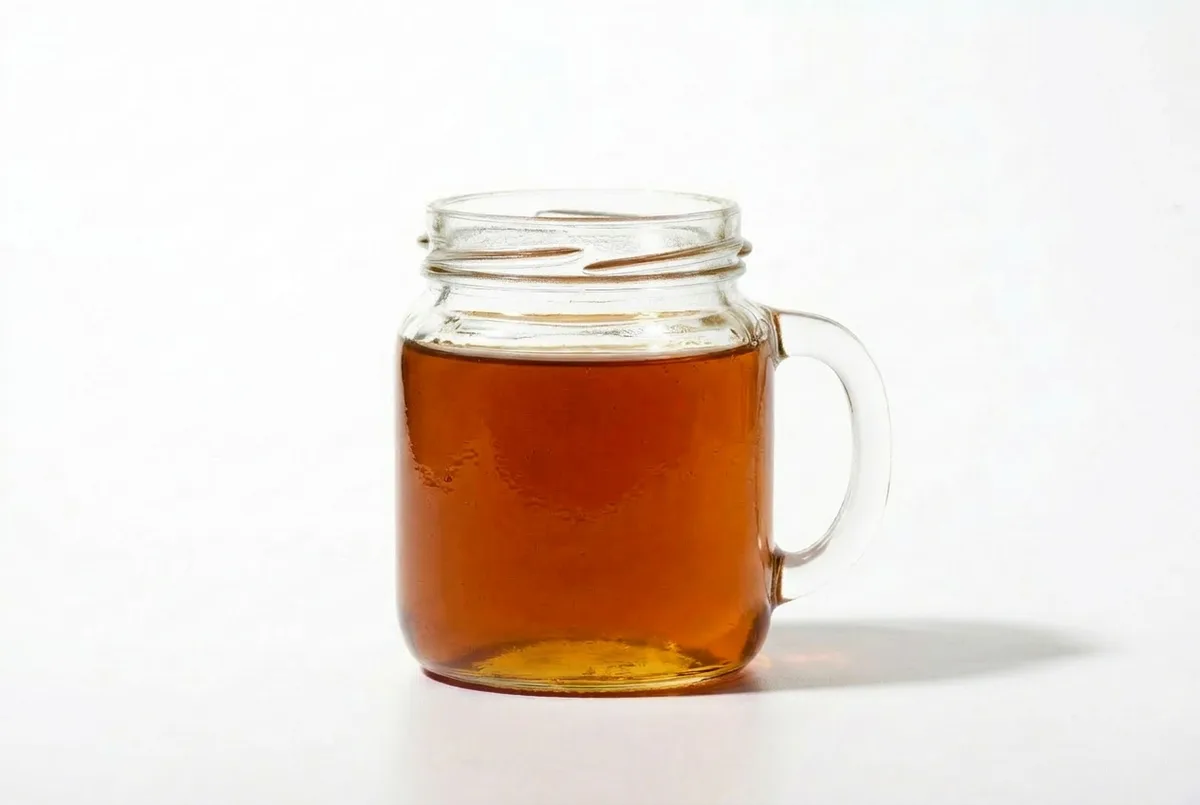
Every few years, a small batch of Appalachian honey comes out of the comb in a deep purple or blue color. Folklore has blamed kudzu — the invasive Asian vine — for as long as anyone can remember. Recent pollen-provenance research points elsewhere.
Dr. John T. Ambrose proposed a different mechanism while at NC State: cool-season blooms of sourwood growing on highly acidic, aluminum-rich mountain soils can produce nectar whose anthocyanin pigments shift under the soil's metal chemistry. Warny, O'Keefe, Wymer, Powell, and MacFawn (2024) ran melissopalynology on a single sample of southern NC purple honey within a year-long South Carolina pollen survey — 302 samples drawn from 19 beekeepers across the state, published in Palynology 48(3). The full citation lives in the Sources section as src-1.
Sourwood (Oxydendrum) was the dominant pollen type in the purple sample, at 19% relative abundance. The other candidate sources that folk attribution and earlier speculation pointed to — kudzu, blueberry, blackberry — were ruled out on the pollen evidence. The paper supports the aluminum-soil + sourwood-nectar mechanism that Ambrose first proposed.
This is provenance research, not a chemistry monograph. A single sample is not a sample size that resolves the underlying chemistry; the aluminum-anthocyanin pathway remains a hypothesis. What the melissopalynology now establishes is that the dominant pollen in this particular purple sample was sourwood — folkloric attribution to kudzu does not survive the microscope.