

Lavender honey is a monofloral honey made from the nectar of lavender blossoms (Lavandula), produced mainly in Provence, France, and across the Mediterranean.
Europe's most perfumed honey — the culinary and aromatic jewel of Mediterranean apiaries. From the high-altitude lavender fields of Provence to the sun-baked plateaus of Castilla-La Mancha, this is honey that captures a landscape in a spoonful.
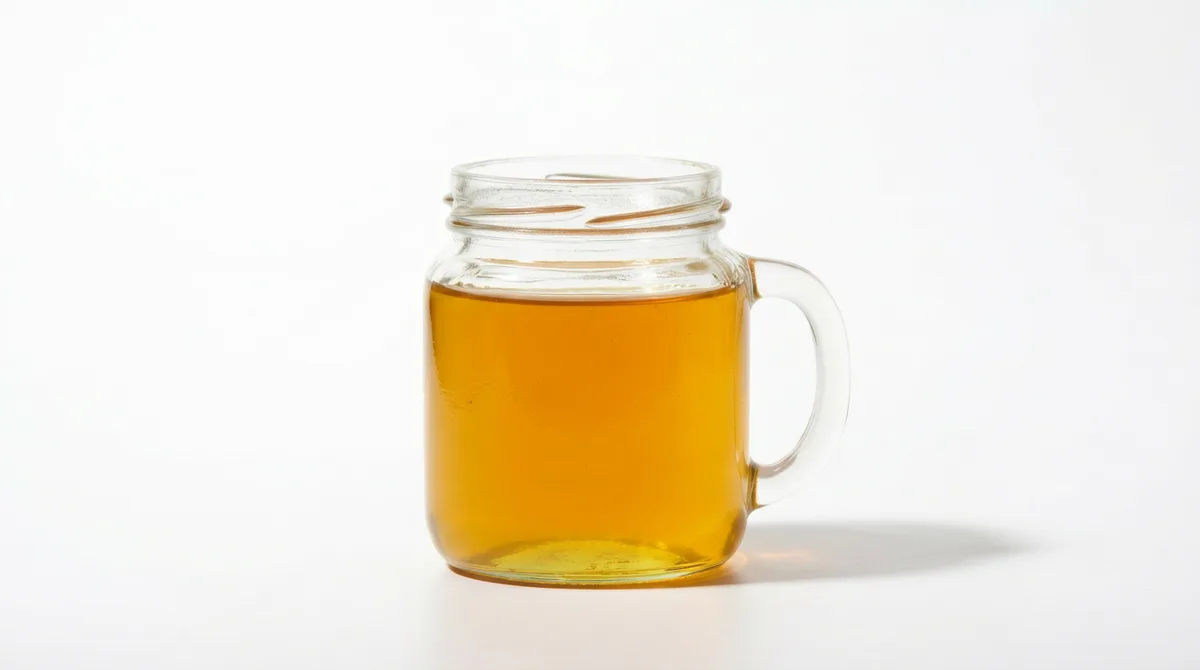
Lavender honey is produced by bees that forage on lavender flowers — primarily Lavandula angustifolia (English or Garden lavender) and Lavandula × intermedia (Lavandin, a natural hybrid). The most celebrated source is the Provence region of southeastern France, where protected geographical indication (IGP Miel de Provence) status guarantees origin and authenticity. But exceptional lavender honey is also produced in Spain, Portugal, Italy, Bulgaria, and small-batch operations in the American West.
What makes lavender honey distinct is its perfumed aroma and delicate floral character — unlike any other varietal. It captures the essence of the lavender plant itself: aromatic, herbal, with a subtle complexity that appeals equally to culinary professionals and wellness enthusiasts. French apiaries have called it "the champagne of honey" for generations, and European gourmands seek out bottles of Provence lavender honey as they would a fine wine.
Beyond its perfume, what sets lavender honey apart is how completely it carries its origin — the herbal-floral character of Provence nectar, captured the way a single-vineyard wine carries its terroir. It is prized in fine kitchens for exactly that: a varietal honey with a sense of place, not just sweetness.
Lavender blooms in a narrow window — typically three to four weeks between late June and early August, depending on altitude and latitude. In the Plateau de Valensole, the most famous lavender landscape in Provence, the bloom begins in mid-June at lower elevations and staggers upward through July and into early August at higher altitudes above 800 meters. This elevation stagger is what makes Provence special: it extends the total nectar availability window for migratory beekeepers who follow the bloom uphill.
But the window is fragile. A heatwave can collapse the nectar flow in days. A late frost can kill flower buds entirely. Drought — increasingly common in Mediterranean summers — reduces nectar secretion to a trickle. In a bad year, a beekeeper who migrated their hives 200 kilometers to reach the lavender fields may harvest nothing at all. In a good year, a single hive on a strong Lavandula angustifolia stand might produce 15–20 kilograms. The arithmetic is unforgiving.
This narrow window is the foundational constraint behind everything else about lavender honey — its scarcity at the top tier, and the reason Provence IGP certification exists at all. You cannot industrial-farm your way to more lavender honey. You can only be in the right field, at the right altitude, in the right week, with enough rain behind you and no heatwave ahead.
"Lavender honey" on a label says almost nothing until you know which species the bees were foraging. The distinction between fine lavender and lavandin is the single most important thing a careful buyer needs to understand.
Lavandula angustifolia · >800m altitude
The real thing. Lavandula angustifolia — also called true lavender, English lavender, or fine lavender — grows above 800 meters in the mountains of Provence, the Drôme, and parts of the Alpes-de-Haute-Provence. It produces smaller yields than its hybrid cousin, but the nectar is purer, richer in linalool, and more aromatically complex. The honey is delicate, perfumed, and unmistakably floral without the camphor edge. This is the species behind IGP Miel de Lavande de Provence and Label Rouge certification.
What you get: a delicate, perfumed honey with pure floral aromatics, no camphor note, and the complexity that justifies the Provence premium. The honey sommeliers reach for.
Lavandula × intermedia · 400–800m
The workhorse hybrid. Lavandula × intermedia is a sterile cross between L. angustifolia and L. latifolia, bred for higher yield and easier cultivation. It grows at lower altitudes (400–800m), produces dramatically more nectar per hectare, and dominates commercial lavender fields across Spain, lower Provence, and Eastern Europe. The honey is still distinctly lavender — aromatic, pleasant, genuinely good — but carries a faint camphor note and coarser herbal register that fine lavender lacks.
What you get: a good, genuine lavender honey at a more accessible price. Not the same complexity as fine lavender, but recognizably the plant, and an honest everyday jar.
Lavender honey is delicate. Not in the passive sense — not faint or forgettable — but in the way a good perfume is delicate: layered, precise, and immediately recognizable. Perfumed floral leads. A herbaceous spine carries it. Soft bakery and fruit notes round the finish.
Woody, Spicy, Nutty, and Earthy stay below the display threshold — lavender's character is perfumed and herbaceous, not savory or earthy. A faint camphor note may appear in lavandin (Lavandula × intermedia) honeys; it does not in fine lavender.
Lavender's character is shaped by four constraints, each of them genuinely defining. Take any one away and you would not have this honey.
Lavender blooms for three to four weeks per year, between late June and early August depending on altitude. The nectar flow is concentrated in the warmest, driest part of that window — often just 10–14 optimal days. A single heatwave, a drought, or a late-season frost can collapse the entire harvest. In 2022, record heat across southern France cut lavender honey production by nearly 40%. There is no second chance: if the bloom fails, the beekeeper waits a full year for the next one.
Fine lavender — the species behind every premium label — grows above 800 meters. At that altitude, the growing season is short, the soil is thin and rocky, and the plants are exposed to wind, frost, and Mediterranean heat extremes. Nectar secretion drops sharply when temperatures exceed 35°C or when rainfall is below seasonal averages. Climate change is compressing the viable altitude band: too hot at the bottom, too short a season at the top. The best lavender honey comes from a shrinking window in a shrinking zone.
Lavender is not just a honey plant — it is one of the world's most important essential-oil crops. When EO prices are high, farmers prioritize distillation over pollination access, and beekeepers may find their preferred fields unavailable or sprayed at inconvenient times. In peak years, a hectare of fine lavender is worth more to a farmer as essential oil than as bee forage. The beekeeper is, in effect, competing with the perfume industry for the same blossoms — and the perfume industry has deeper pockets.
IGP Miel de Lavande de Provence and Label Rouge are not marketing labels — they are legally enforced certification regimes with inspection, traceability, pollen analysis, and annual audit requirements. A beekeeper seeking IGP certification must document hive placement, demonstrate that the harvest comes from lavender-dominant nectar sources, and submit samples for laboratory analysis. For the buyer, IGP is the single most reliable signal that the jar contains what the label claims — a verified provenance, not a promise.
Lavender honey fraud is not about sugar-syrup adulteration (that's the generic honey-fraud story). The lavender-specific fraud pattern is about what kind of lavender — or whether there's any lavender at all.
Generic honey with added lavender essential oil or dried lavender flowers, sold with "lavender" prominent on the label. Legitimate when labeled "infused" or "flavored" — fraudulent when that word is missing.
Tell-tale: Overly strong, soapy lavender aroma that smells like essential oil rather than honey — and an entry-tier price that doesn't match the labelled origin.
Lavandula × intermedia honey priced and marketed as Lavandula angustifolia. Legal in most markets but misleading — the species difference is real, and the price difference should be too.
Tell-tale: A faint camphor note on the finish, and a price below the IGP tier claiming "Provence" or "fine lavender."
Honey labeled "Provence" but sourced from Spain, Bulgaria, or Eastern European producers, then packaged in France. Technically "packed in France" but not "produced in France."
Tell-tale: Look for "IGP Miel de Lavande de Provence" on the label — if it says "Provence-style" or just "French," the origin is not protected.
Lavender honey is woven into French culinary tradition the way olive oil is woven into Italian cooking — not as a luxury, but as a baseline expectation of quality. In Provence, it is the honey you drizzle over fresh chèvre with a crack of black pepper. It is the honey in a lavender-honey madeleine, still warm from the oven. It is the honey stirred into a tisane on a cool evening, or spooned over yogurt with a scatter of toasted almonds.
Beyond the kitchen, lavender honey has a quiet wellness tradition. A spoonful in warm milk before bed is the French grandmother's sleep remedy — and the lavender aromatherapy research suggests this is not purely placebo. The combination of honey's natural sugars (which may support tryptophan absorption) and lavender's documented calming properties makes it a credible, if unproven, bedtime ritual.
For pairing, lavender honey belongs with soft cheeses (chèvre, brie, sheep's milk), with dark chocolate, with botanical gins, and with anything where its aromatic complexity can lead rather than follow. It is not a background sweetener — it is a flavor.
In Provence, a spoonful of lavender honey stirred into warm milk is a longstanding bedtime preparation — French grandmothers have served it for generations. The ritual is older than any modern science about sleep, and it persists for reasons that have more to do with comfort and culture than chemistry. Whether anything biochemical is happening is beside the point; the practice is what's traditional, not the mechanism.
Lavender honey's natural place is on a cheese board. A drizzle over fresh chèvre — finished with a crack of black pepper — is one of the standard openings to a Provençal meal. The honey's perfumed top notes carry the salt and acid of the cheese; the pepper sets it off. It pairs equally well with brie, sheep's milk cheeses, and aged goat varieties. This is the use most French cooks would describe first if asked what lavender honey is for.
Lavender honey carries the phenolic profile of its source flora. Kolayli et al. (2024) measured total phenolic content and antioxidant capacity of lavender honey (Lavandula spp.) from the Isparta region of Türkiye in Chemistry & Biodiversity, characterizing 13 samples by HPLC-PDA chromatographic profiling ([1]). These are measurements of what is in the jar — chemical characterization — not claims about what the honey does in the body. The compounds are present; their consumer effects are not established by these analyses.
Lavender honey is the foundation jar of herbes de Provence cuisine. In a region where lavender, rosemary, thyme, and sage define the herb register, the local honey reflects the same flora. This is honey designed by accident for the food it grows up beside — drizzled over roast lamb finished with thyme, stirred into a tisane on a cool evening, spooned over yogurt with a scatter of toasted almonds. It is not a background sweetener. It is part of the cuisine.
Unlike stationary apiary honeys, lavender honey in Provence is predominantly produced by migratory beekeepers who transport their hives hundreds of kilometers to reach the lavender fields at bloom time. This transhumance — a tradition as old as the fields themselves — requires planning, route knowledge, and relationships with farmers who control field access.
Competition with the essential-oil industry adds complexity: when lavender EO prices spike, farmers may restrict bee access to maximize distillation yields. The best lavender beekeepers are, in effect, managing a three-way negotiation between their bees, the weather, and the farmer's economic priorities. It is skilled, seasonal work that cannot be scaled — and the jar in your hand reflects that constraint.
As an Amazon Associate, Melvea earns from qualifying purchases.
Distinctly aromatic and floral, with a perfumed character unlike any other honey. You'll taste the lavender — not as an artificial flavor, but as the genuine floral essence of the plant itself. The sweetness is present but balanced by delicate herbal notes. High-quality Provence honey is more intensely perfumed; Spanish honey is slightly softer and more approachable. Many describe it as having a "floral perfume" on the finish rather than a lingering aftertaste.
Different, not better. What lavender honey adds is sensory and cultural: the specific aromatic compounds of the plant and lavender's long associations in Provence cooking and ritual. If you want honey mainly as an everyday sweetener, high-quality raw honey is more cost-effective. If you want flavor, aroma, and culinary character — a varietal honey with a sense of place — lavender honey is the right choice.
Provence has IGP (Protected Geographical Indication) status, ensuring origin and supporting traditional production methods. Provence honey tends to be more intensely aromatic and commands premium positioning. Spanish lavender honey is abundant, very good quality, and significantly more accessible. Both are genuine, but Provence is the prestige choice for connoisseurs and special occasions; Spanish is the everyday choice and best value.
No — it tastes like honey with lavender's essence captured. Good lavender honey is balanced: sweet, smooth, and refined, with the lavender as a subtle aromatic note rather than an overpowering herbal flavor. Poor-quality lavender honey (or lavender honey that's been cut with artificial additives) can taste soapy or overly perfumed. Good quality lavender honey should feel sophisticated and naturally fragrant, not medicinal.
Yes, but with caveats. High heat (above 95°F) begins degrading lavender's aromatic compounds and some of honey's beneficial enzymes. For baking, it works best in applications where honey isn't the primary ingredient and the oven temp is moderate. Better applications: scone glazes, frosting drizzles, or using it as a finishing touch after baking. For maximum aromatic impact, use lavender honey in unheated applications — teas, cheese pairings, ice cream toppings, cocktails.
Look for origin claims on the label (Provence IGP is the most protected). Real lavender honey should have a noticeable, pleasant floral aroma — not artificial or soapy. Provence IGP honey can be verified against official registries. Spanish honey should list Spain as the origin country. Avoid extremely cheap "lavender honey" from unknown sources — adulteration with artificial lavender flavor is common. Buy from reputable producers or specialty honey retailers who can verify origin.
Yes — it crystallizes at a medium rate, forming fine, smooth crystals. This is natural and a sign of purity. Crystallization doesn't harm the honey or its properties. Many people prefer crystallized lavender honey for its texture and ease of spooning. To re-liquefy, place the jar in a bowl of warm (not hot) water for 15–20 minutes. Do not use a microwave or boiling water, as this destroys the aromatic compounds you're paying for.
Lavender honey has a long association with bedtime in Provence, where a spoonful stirred into warm milk is a traditional evening ritual — French grandmothers have served it for generations. That association is cultural and aromatic rather than a documented effect of the honey itself; whether what people enjoy comes from lavender's scent, the warmth of the drink, or the comfort of the ritual is beside the point. It is a pleasant, time-honored way to end the day — enjoyed for the experience, not as a remedy.
Pfund color determination via standard photometric comparator following AOAC methodology.
Spotted in the wild
From shelves, kitchens, and markets. Add yours — we review every submission.
No photos yet.
Be the first to submit a photo of Lavender honey— help build the encyclopedia.
Submit a Lavenderphoto →Verified lavender honey producers in our network.
Clermont, Florida
Honey Feast is a family-owned apiary and farm based in Clermont, Central Florida, producing raw, unfiltered, and cold-pa...
Petaluma, California
Lavender Bee Farm is a family-owned honey and lavender farm established in 2001 on the outskirts of Petaluma in Sonoma C...
Asheville, North Carolina
Blue Ridge Mountain honey from local Appalachian apiaries.
Savannah, Georgia
Premium Southern honeys and bee products.
Wewahitchka, Florida
Panhandle apiary producing certified pure tupelo honey from the Dead Lakes region along the Chipola River.
Are you an lavender beekeeper?
Claim Your Farm