

Palo Santo honey is a polyfloral forest honey from the Gran Chaco of Argentina and Paraguay, gathered where Bulnesia sarmientoi blooms alongside quebracho and algarrobo.
Palo Santo honey comes from one of the harshest, most remarkable forests in South America — the Gran Chaco, the continent's largest dry forest after the Amazon. It carries the character of the palo santo tree (Bulnesia sarmientoi) that gives it its name: dark, bold, and unmistakably a product of its place.
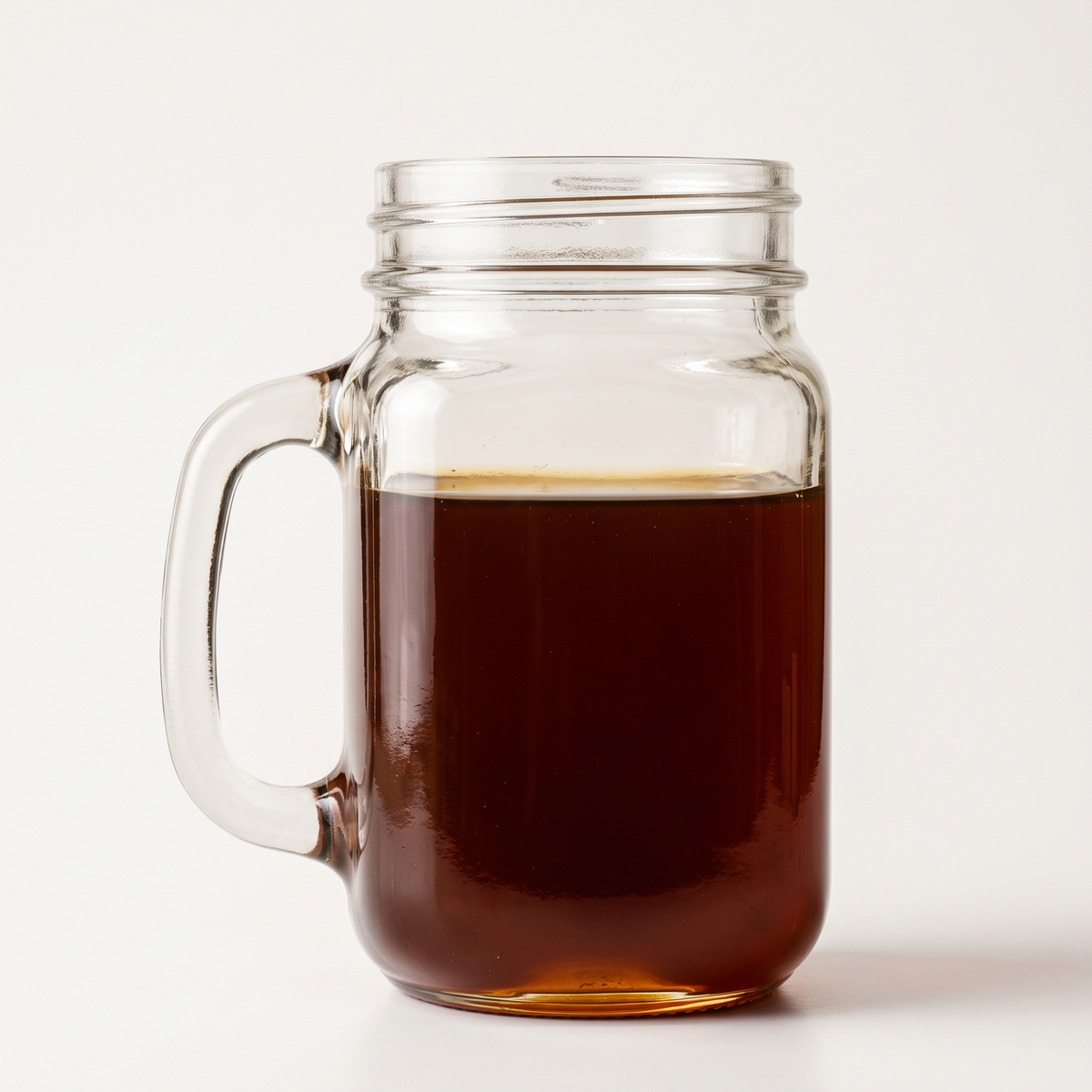
Palo Santo honey comes from one of the harshest, most remarkable forests in South America. In the Gran Chaco — the continent's largest dry forest after the Amazon, a sun-baked thornforest spread across northern Argentina, western Paraguay, and eastern Bolivia — the palo santo tree (Bulnesia sarmientoi, "holy wood") grows so slowly it adds barely a millimeter of trunk each year. Every October its canopy breaks into small white, green-tinged blossoms, and for a few short weeks the bees work them alongside the forest's other bloom. The tree is prized by perfumers for the resinous guaiac scent of its heartwood — though that aroma belongs to the wood, not to the honey, which draws instead on the mixed bloom of the surrounding forest.
Most single-origin honeys carry a flower. Palo Santo carries a forest. The Chaco is a place of extremes — summer heat past 45°C, a brief nectar flow, and a tree so heavily harvested for its aromatic wood and fixative oil that it is listed on CITES Appendix II and classed as Endangered on the IUCN Red List. That scarcity is part of what the honey is. It sits naturally alongside the world's other bold, dark forest honeys — a honey with a sense of wildness, not just a sense of place.
Selected quotes from third-party sources, attributed.
"The colour of honey, according to the Pfund scale, ranged from extra light amber to dark amber." — Cabrera et al., Phyton — International Journal of Experimental Botany, 2017 (Humid Chaco honeys)
"The Wichí are not beekeepers; they do not rear the bees in hives." — Slow Food Foundation, Wichí Wild Honey Presidium
Palate Signature pending — Palo Santo is a rare, small-volume Chaco honey with no published sensory panel yet. Community tastings will populate this section as Pro Tasters reach the variety.
In the Chaco, honey is gathered two ways at once. Criollo and Qom beekeepers keep managed Apis mellifera hives for the spring bloom, while Wichí men still practice twatsaj — locating wild hives in hollow trunks by watching the flight of bees, then pressing and filtering the comb by hand. This wild-harvested honey is recognized by the Slow Food Foundation as a Presidium of the central Chaco. Qom families, meanwhile, keep native stingless bees (Tetragonisca fiebrigi, Scaptotrigona jujuyensis) in the traditional way — a living tradition of managed and wild harvest side by side.
If you produce palo santo honey— or know a beekeeper who does — we'd love to add them to the directory and surface their jars to readers who arrive here looking for the real thing.
Honeys measured across the Chaco run from extra-light to dark amber, and the darker ones carry more of the phenolic compounds that deepen a honey's color and flavor (Cabrera et al., 2017). Palo Santo sits in the amber range.
The tree here — Bulnesia sarmientoi — is the South American guaiac-wood palo santo of the Gran Chaco, valued for its resinous scent. It shares the common name "palo santo" with a different tree used for incense (Bursera graveolens), related in reputation, not botany.
Yes. The tree is slow-growing (adding roughly a millimeter of trunk diameter a year), CITES-protected, and the honey is produced in small volumes by Chaco cooperatives and wild-harvesters, much of it organic-certified.
No. Pollen analysis of Chaco honeys consistently finds Bulnesia sarmientoi as a minor component rather than a dominant one — the main nectar sources in these forests are quebracho and algarrobo (Cabrera et al., 2023). Palo Santo is best understood as a polyfloral forest honey, named for its most distinctive tree rather than its only one.
Conventional melissopalynological analysis using the acetolysis technique; pollen frequency classes per Louveaux et al.
Qualitative melissopalynology (Louveaux 1978 frequency classes) + Pfund colour grader (Koehler), six readings/sample corrected average; Folin-Ciocalteu phenolics.
Spotted in the wild
From shelves, kitchens, and markets. Add yours — we review every submission.
No photos yet.
Be the first to submit a photo of Palo Santo honey— help build the encyclopedia.
Submit a Palo Santophoto →